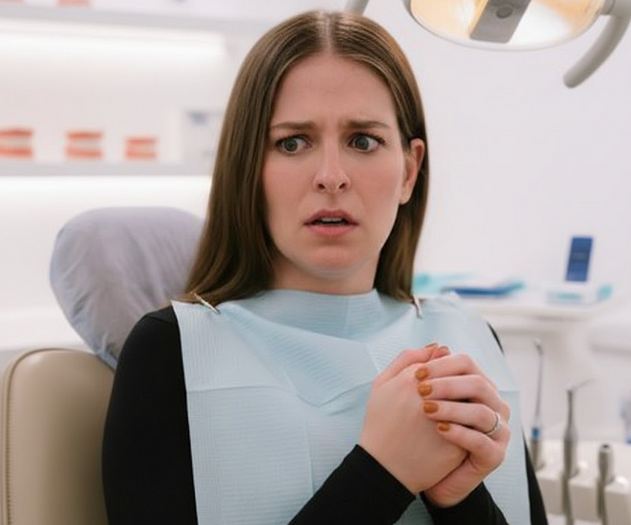
Many people have a fear of the dentist, medical equipment, and the general surgical environment. This phenomenon, known as odontophobia, affects 15% to 20% of the adult population worldwide*. For those who experience it, dental anxiety represents a significant barrier to maintaining healthy teeth and optimal oral hygiene.
Fortunately, modern dentistry has evolved significantly. Today, thanks to advances in medical care and the rise of medical tourism—particularly in destinations such as Turkey and Hungary—anxious patients can access compassionate, high-quality, and stress-free dental treatment. Internationally accredited clinics now prioritize patient comfort as much as clinical excellence, combining cutting-edge technology with a patient-centered approach to create a truly reassuring experience.
In this article, we explain how to manage the anxiety of phobic patients and guarantee high-quality care in complete safety.
Top medical solutions to reduce dental phobia
Over the years, dentistry has shifted toward a more empathetic and minimally invasive approach. Modern techniques, advanced anesthesia, and sedation options allow clinics to perform procedures with minimal discomfort, ensuring that anxiety no longer stands in the way of a healthy, beautiful smile. This is especially important for complex treatments such All-on-4 dental implants.
Conscious sedation (MEOPA)
This protocol is widely used, particularly in dental implantology. It enables phobic patients to achieve profound relaxation without losing consciousness. During the procedure, the patient is still conscious and able to react to the practitioner's commands, unlike in general anesthesia. This method significantly reduces anxiety and the perception of time passing. It calms fear, making long operations much more comfortable for anxious patients.
General anesthesia
This solution is specifically tailored for cases of intense anxiety or during lengthy surgical procedures, such as full-mouth reconstructions. It induces a state of total unconsciousness, ensuring the patient has no painful memories of the treatment. Furthermore, it allows multiple procedures—such as extractions, bone grafting, and implant placement—to be performed in just one session. This is particularly advantageous for patients on a tight schedule during their medical stay abroad.
General anesthesia requires the assistance of a qualified anesthesiologist to control the procedure. Following strict safety protocols, they guarantee the patient's medical safety throughout the scheduled care. A comprehensive clinical assessment is also required to ensure the patient's eligibility.
These techniques are widely implemented in internationally accredited clinics in Turkey and Hungary, which have become leading destinations for anxious dental patients.
How treatment abroad helps anxious patients?
Odontophobia is frequently caused by a past negative experience, poorly managed pain, or a feeling of loss of control during a procedure. For patients who suffer from this condition, the dentist is seen as a threat. However, this fear, once considered a major hurdle, is now expertly handled by specialized dental clinics.
From the initial consultation, every effort is made to disrupt the anxiety cycle. Attentive listening, detailed explanations of the process, and personalized support make communication a top priority. This approach establishes a climate of trust, from the first contact through to post-treatment follow-up.
For instance, "all-inclusive" packages make traveling to Istanbul or to Budapest a lot easier and less stressful:
· Airport meet-and greet transfers: reducing stress related to local transportation and logistics.
· Clear and peaceful communication: a dedicated coordinator provides language assistance, ensuring a simple conversation with the doctor.
· Reassuring environment: modern clinics with highly skilled and qualified staff.
· Dental surgeons: professionals who are experts in their field can make you feel safe right away.
Thanks to this holistic approach, patient anxiety is not only managed but significantly reduced—allowing individuals to focus on their recovery and their future smile.
Additional factors that comfort phobic patients!
For fearful individuals, anxiety is not limited to pain or the surgery itself; it often includes uncertainty regarding the final aesthetic result. To solve this situation, clinics in Turkey and Hungary utilize cutting-edge technology. This includes Digital Smile Design (DSD), which allows patients to visualize the shape, length, and shade of their new teeth before treatment even begins.
Furthermore, choosing a highly qualified dentist who specializes in complex treatments is crucial. The practitioner’s expertise is the primary asset in breaking the cycle of trauma. Finally, attentive post-treatment follow-up minimizes the risk of complications, further easing uncertainty and building long-term trust.
At MyTripmed, we understand that choosing the right clinic and dentist is a major decision—especially for patients with dental anxiety. That’s why we carefully select and offers a ranking of the top dentists with international accreditation. Our goal is to connect you with highly qualified practitioners who prioritize both your health and your comfort, ensuring a smooth, stress-free, and reliable treatment experience abroad.
Conclusion
Dental anxiety is real, but it no longer has to prevent you from achieving a healthy, radiant smile. Thanks to modern techniques, compassionate care, and internationally recognized clinics in Turkey and Hungary, even the most anxious patients can undergo treatment with confidence and peace of mind.
With the right dental team by your side, fear can be replaced by reassurance—and your smile can truly be transformed in complete safety.
*Source: Medicina (MDPI): Psychological Factors in Dental Patient Care: Odontophobia